
Your BBQ is Only as Good as Your Tools: Fixing Common Utensil Problems
Let’s be brutally honest. My first attempt at grilling a “perfect steak” was a complete disaster. I had the grill, the expensive cut of meat, and the ambition. What I didn’t have were the right tools. I was using a flimsy kitchen fork to flip the steak and a cheap pair of short, stubby tongs that put my hands directly over the fiery abyss. The result? A mangled, overcooked piece of meat and slightly singed arm hair. It was a costly and humbling lesson.
Sound familiar? You’ve invested hundreds, maybe thousands, of dollars in a quality grill, but you’re still using that bargain-bin set of utensils you bought on a whim. This is one of the biggest—and most correctable—mistakes I see beginners make. The truth is, your utensils are not just accessories; they are a critical interface between you and the food. Using the wrong tools is a direct path to frustration and mediocre results.
This guide is designed to be your definitive playbook for solving the most common BBQ utensil problems. We’re going to break down the data, analyze the failures, and provide actionable, high-value solutions that will instantly elevate your grilling game in 2025.
Problem #1: Your Tongs are Mangling Your Food (The Grip & Length Dilemma)
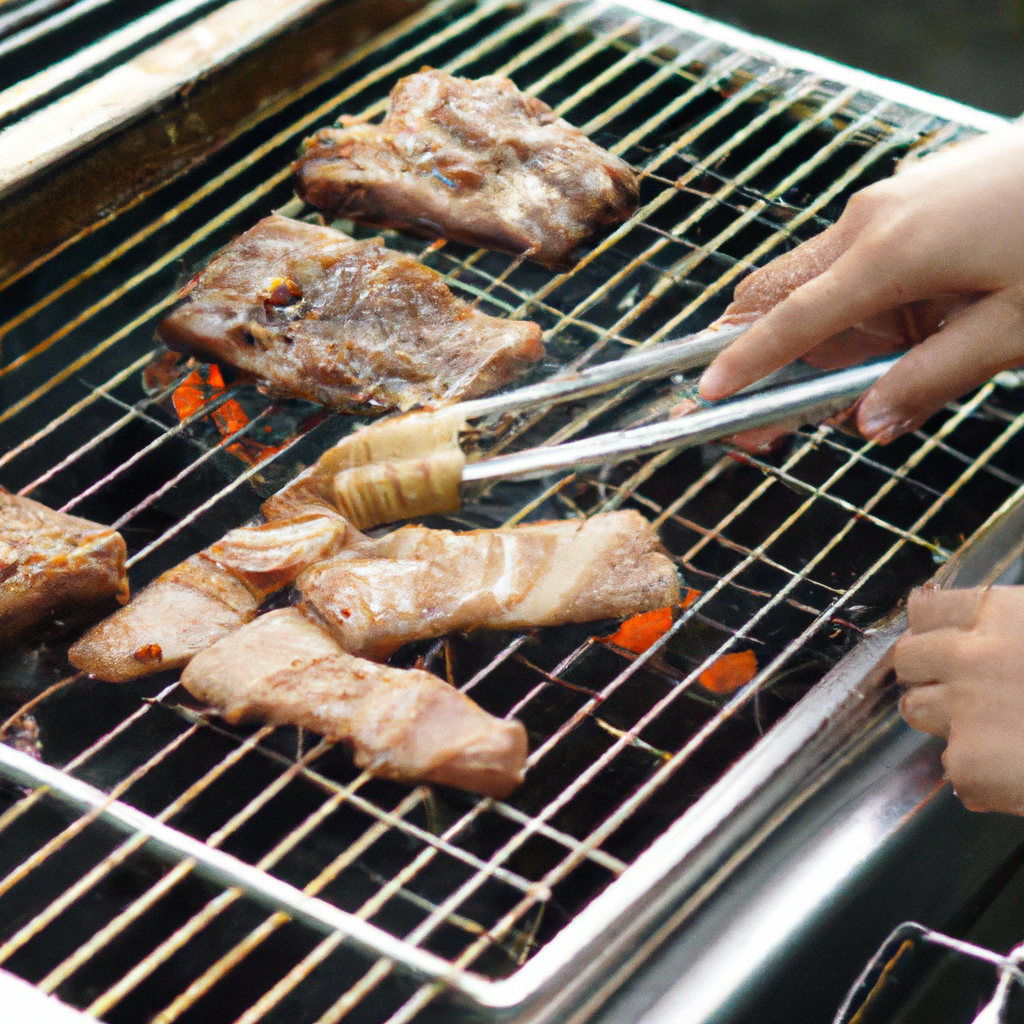
This is the number one offender. You’re using short, flimsy tongs—probably the ones that came in a cheap, all-in-one kit. You reach over a 500°F (260°C) grill, your hand starts to feel the intense heat, and you panic-grab a sausage. The weak grip fails, and the sausage tragically falls through the grates. Or worse, you try to flip a delicate piece of fish, and the sharp, unforgiving tips shred it to pieces.
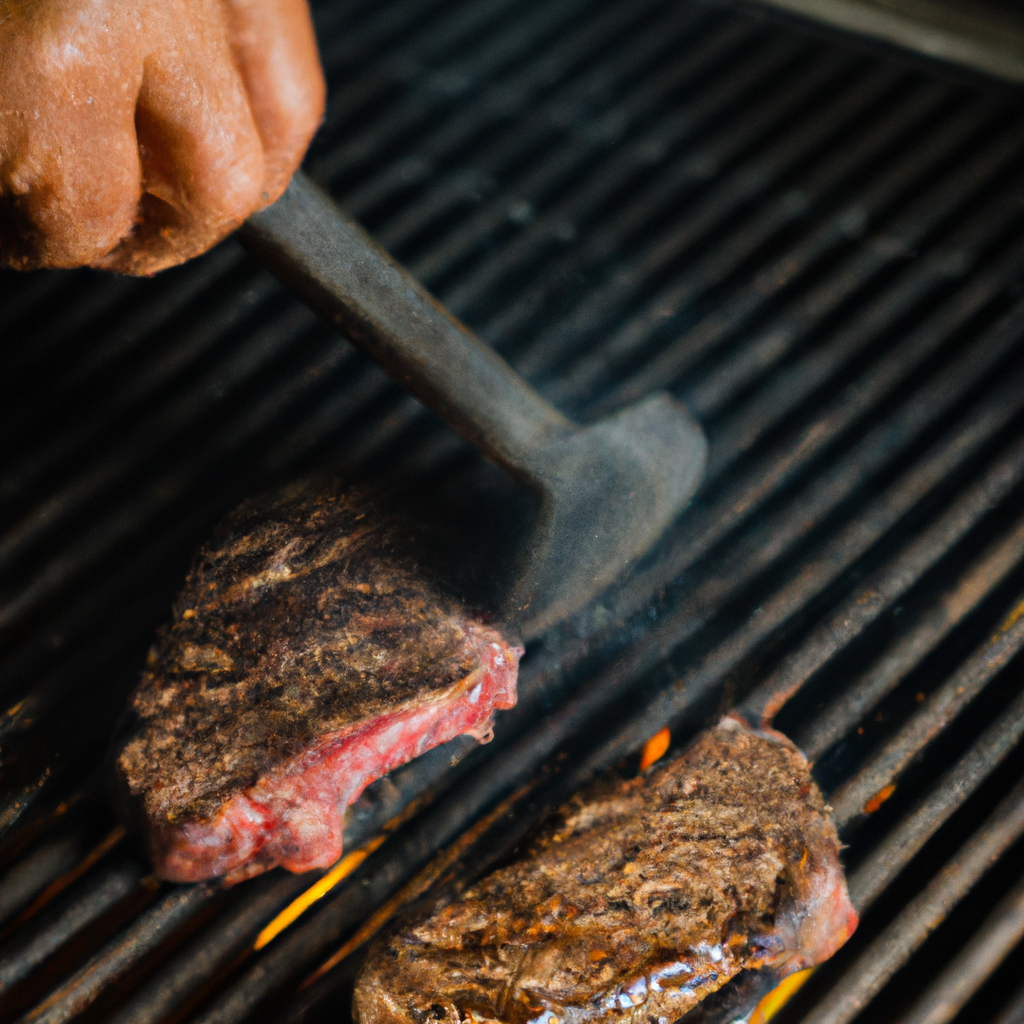
The Core Failure: Most beginner tongs are too short (under 12 inches), lack a proper locking mechanism, and have poorly designed tips that either don’t grip or puncture the food.
The Data-Driven Fix: The solution is a pair of long, spring-loaded, stainless steel tongs.
- Length is Safety: Your tongs should be at least 16-18 inches long. This simple metric is a game-changer. A 16-inch length keeps your hands over 40% further from the direct heat source compared to standard 10-inch kitchen tongs, dramatically increasing comfort and safety.
- Material and Design: Look for 304-grade stainless steel for durability and corrosion resistance. The most critical feature is the tip design. You want scalloped, rounded edges. This design provides a firm, confident grip on everything from heavy brisket to delicate asparagus without piercing the food and letting precious juices escape.
- Locking Mechanism: A quality locking mechanism that you can operate with one hand is non-negotiable for easy storage and use.
Problem #2: Your Spatula is Bending Under Pressure (Flimsy Construction Fails)
You’ve spent 8 hours smoking the perfect pork butt. You slide your spatula underneath to transfer it to a cutting board, and the unthinkable happens: the thin metal bends, the handle flexes, and you nearly lose the entire masterpiece to the patio floor.
The Core Failure: Cheap BBQ spatulas are often made from thin, low-grade metal with a handle that is only partially attached to the head (a “partial tang”). They lack the structural integrity required for heavy-duty grilling.
The Data-Driven Fix: Invest in a heavy-duty, full-tang spatula designed specifically for grilling.
- Full-Tang Construction: This is a term from knife-making, and it’s just as critical here. A “full tang” means the piece of metal that forms the spatula head runs all the way through the handle. This provides immense strength and rigidity, preventing the dreaded bend.
- The Right Head: Look for a spatula head that is at least 4 inches wide with a beveled (sharpened) front edge. This allows you to easily slide under food that might be slightly stuck to the grates without tearing it.
- Offset Handle: A slightly offset handle provides better leverage and keeps your knuckles from scraping on the hot grill grates.
Problem #3: You’re Playing “Is It Cooked?” Roulette (The Thermometer Catastrophe)
This is, without question, the most critical problem to solve. If you are guessing when your food is done, you are guaranteeing inconsistent and potentially unsafe results. Relying on “cutting and peeking” drains juices, and cheap dial thermometers are notoriously inaccurate.
The Core Failure: Not using a reliable, fast, and accurate digital thermometer.
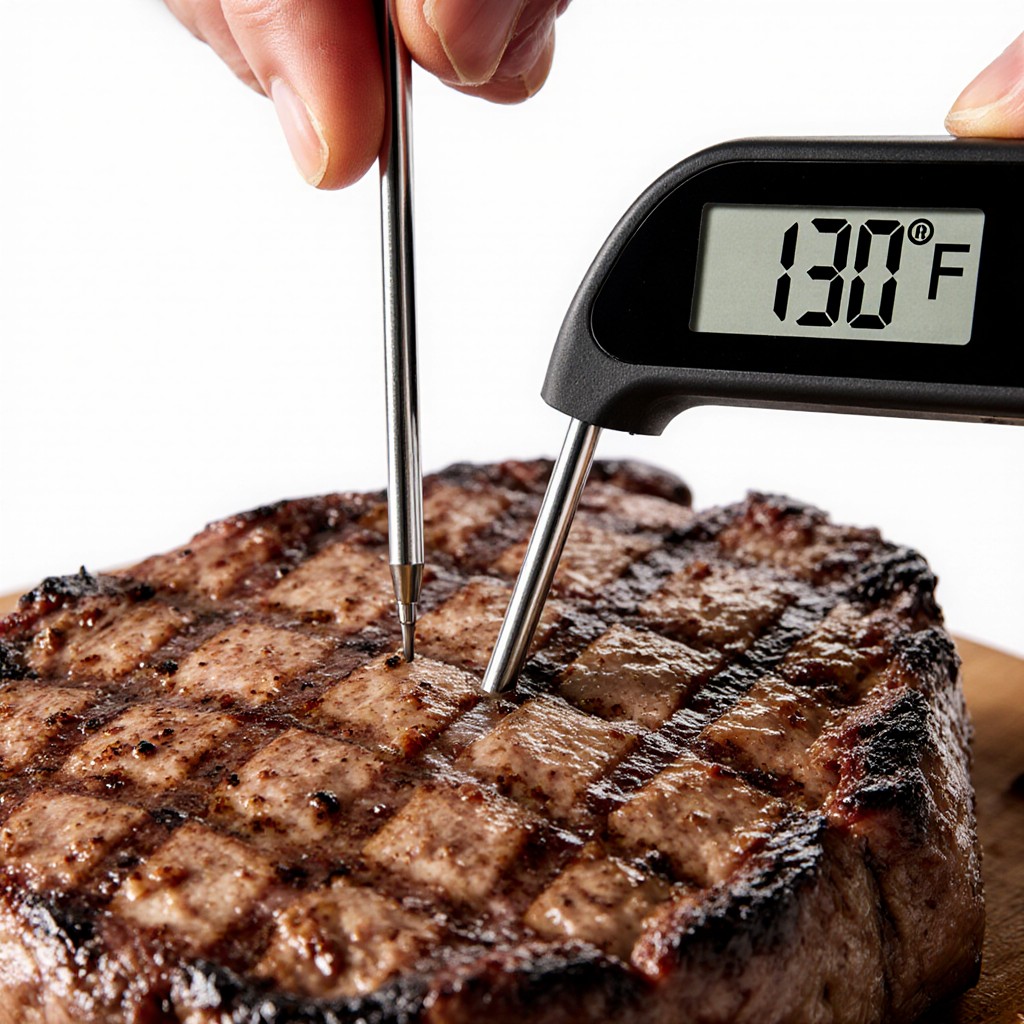
The Data-Driven Fix: An instant-read digital thermometer is the single most important BBQ utensil you can own. It is the only way to know for sure that your food has reached its perfect—and safe—internal temperature.
- Speed and Accuracy are Everything: A high-quality instant-read thermometer (like a ThermoWorks Thermapen ONE) provides a temperature reading in 1-2 seconds with an accuracy of ±0.5°F. A cheap dial thermometer can take over 20 seconds and be off by as much as 25°F. That’s the difference between a perfect medium-rare steak (130°F) and a well-done tragedy (155°F).
- Food Safety: This isn’t just about quality; it’s about safety. The CDC estimates that 1 in 6 Americans get sick from foodborne diseases each year. Hitting the correct internal temperature (e.g., 165°F for chicken) is the only way to eliminate that risk.
- The Investment ROI: A top-tier instant-read thermometer might cost $70-$100, but it will pay for itself by saving just two or three expensive steaks from being overcooked.
Problem #4: Your Grill Brush is a Rusty, Ineffective Mess (The Cleaning Crisis)
Your grill brush is your first line of defense against last week’s charred-on mess. A bad brush doesn’t just fail to clean; it can be a genuine health hazard. Cheap wire brushes are notorious for shedding their bristles, which can stick to the grates and end up in your food.
The Core Failure: Using a low-quality wire brush that rusts, sheds bristles, and has a flimsy handle.
The Data-Driven Fix: Switch to a modern, bristle-free grill brush.
- Safety First: The data is clear. A 2016 study found over 1,600 documented emergency room visits in the U.S. over a 12-year period from ingested wire bristles. The risk is small but severe.
- Bristle-Free Alternatives: The market has responded with superior, safer options. Look for brushes with coiled stainless steel helixes or woven metal mesh heads. These provide aggressive cleaning power without the risk of shedding. For porcelain or ceramic grates, heavy-duty nylon brushes are a great option (for use on a cool grill only).
- Scraper Included: A good brush should have an integrated stainless steel scraper to tackle the most stubborn, carbonized bits before you start brushing.
Problem #5: Your Basting Brush is Melting or Shedding (The Flavor Fail)
You’re applying your signature BBQ sauce, and you notice something horrifying: tiny little hairs from your brush are now permanently lacquered onto your ribs. Or, you leave the brush too close to the heat for a second, and the plastic bristles start to melt and deform.
The Core Failure: Using traditional boar-bristle brushes or cheap plastic brushes that are not designed for high-heat applications.
The Data-Driven Fix: Upgrade to a set of high-heat resistant silicone basting brushes.
- Heat Resistance: Food-grade silicone is typically heat-resistant up to 450-500°F (230-260°C). This means you can baste directly on the grill without fear of melting. A cheap plastic brush can begin to deform at temperatures as low as 250°F.
- Hygiene and Durability: Unlike natural bristles, silicone is non-porous, so it won’t trap bacteria or odors. It doesn’t shed, and it’s typically dishwasher safe, making cleanup effortless.
- Design Matters: Look for a brush with a textured bristle design, which helps to hold more sauce than simple, straight silicone bristles.
BBQ Utensil Comparison: The Beginner Mistake vs. The Pro Solution
| Utensil Type | The Common Beginner Mistake | The Pro-Level Solution | Why It’s Better | Estimated Cost (2025) |
|---|---|---|---|---|
| Tongs | Short (10-12″), flimsy, sharp tips, no lock | 16-18″ long, spring-loaded, stainless steel, scalloped edges | Safety from heat, secure grip without piercing, one-handed use | $20 – $35 |
| Spatula | Thin metal, partial tang, straight handle | Heavy-duty, full-tang construction, wide head, offset handle | No bending under weight, better leverage, slides under food easily | $20 – $30 |
| Thermometer | None, or an inaccurate analog dial thermometer | High-quality instant-read digital thermometer | 1-3 second readings, ±1°F accuracy, ensures perfect results and food safety | $25 – $100 |
| Grill Brush | Cheap wire brush that sheds and rusts | Bristle-free design (coiled or woven metal) with scraper | Eliminates the risk of ingested bristles, more durable, effective cleaning | $20 – $30 |
| Basting Brush | Natural bristle or cheap plastic brush | High-heat resistant silicone brush | Won’t melt or shed, hygienic, easy to clean, holds sauce well | $10 – $20 (for a set) |
Frequently Asked Questions (FAQ)
Q1: Are expensive, all-in-one BBQ utensil sets worth it?
Generally, no. Most sets are a false economy. They bundle one or two decent items with several low-quality, unnecessary tools. You are far better off buying each of the five core utensils (tongs, spatula, thermometer, brush, basting brush) individually. This allows you to invest in high-quality versions of the tools you will actually use every single time you grill.
Q2: How do I properly clean and care for my stainless steel BBQ tools?
For best results, clean your tools while they are still warm. Use hot, soapy water and a scrub pad. Most high-quality stainless steel utensils are also dishwasher safe. To maintain their shine and prevent water spots, dry them immediately with a clean cloth instead of letting them air dry.
Q3: How often should I replace my grill brush?
Even with a high-quality, bristle-free brush, you should inspect it before every use. If you see any signs of significant wear, damage, or metal fatigue, replace it immediately. As a general rule, plan on replacing your primary grill brush once every 1-2 years, depending on usage.
The Final Word: Invest in a Better Experience
Upgrading your BBQ utensils isn’t about spending money on fancy gadgets. It’s a strategic investment in consistency, safety, and enjoyment. By solving these common problems, you eliminate the major points of failure that frustrate beginners. You trade uncertainty for data, flimsy for robust, and frustration for flawless execution. Stop letting your tools hold you back. Make the right investment once, and enjoy the delicious returns for years to come.